Hot days effectively make it difficult to stay comfortably in rooms where air conditioning is not installed. Fortunately, there are several simple and effective ways to lower the temperature in the room. What to do when the room is hot? Learn several proven ways to maintain the air temperature at an acceptable level. We will suggest a few tricks that do not involve high investment costs, but we will also indicate those that will allow you to enjoy a comfortable temperature in the room at any time of the year.
How to make a room cooler?
First, we will show you that lowering the air temperature in your apartment or house by a few degrees during hot weather does not have to involve a large investment. However, it is important to be consistent and careful in the actions you take. Here, a small oversight really makes a difference.
The air temperature in a room is greatly influenced by sunlight. In rooms facing south, windows are the main source of heat on sunny days. Therefore, it is worth taking care to cover them with roller blinds or thermal curtains. Such curtains should be in light colours, as this helps to reflect light. When it is hot outside, remember to close the windows. You can also cover the windows with solar foil, which will reduce the heating of the room.
If you close your windows tightly during the day, then in the evening and at night, don't forget to open them and air the room. In the summer, it often happens that despite the open window, you don't feel any draft. Then try to create a draft in the apartment, which will speed up the exchange of air. The movement of air will also be forced by working fans. They do not cool, but the air flow gives such a feeling. If you want to enhance their effect, place a bowl of ice or a bottle of frozen water in front of the fan. This way, the air flowing through the ice will be cooler.
Also remember that many devices in the home generate heat. These include not only the stove or oven, but also the computer, TV, traditional light bulbs and even chargers. Make sure to turn them off when they are not needed. Also consider limiting cooking and opting for light meals that do not require the use of the stove.
Plants also help maintain the right temperature in a room. Ferns, sansevieria or dracaena help increase air humidity, which gives a feeling of freshness and at the same time increases the feeling of coolness. Place them in places that heat up the most - for example, near windows.
Comfort in hot weather will also be improved by appropriate clothing and fabrics. Remove carpets and throws from the rooms - the exposed floor will help to naturally cool the room. Also, choose bedding made of natural fabrics. Materials such as linen or cotton are breathable and pleasant to the touch.
You can also use water to cool the room. To do this, hang wet towels, spray curtains with water or use a humidifier. All of these methods will increase humidity and lower the air temperature.
How to effectively lower the temperature in a room?
However, the above tips have a limited ability to lower the temperature in the room. If you want to effectively minimize the heat in the room, you need to consider using more expensive, but more effective and durable solutions.
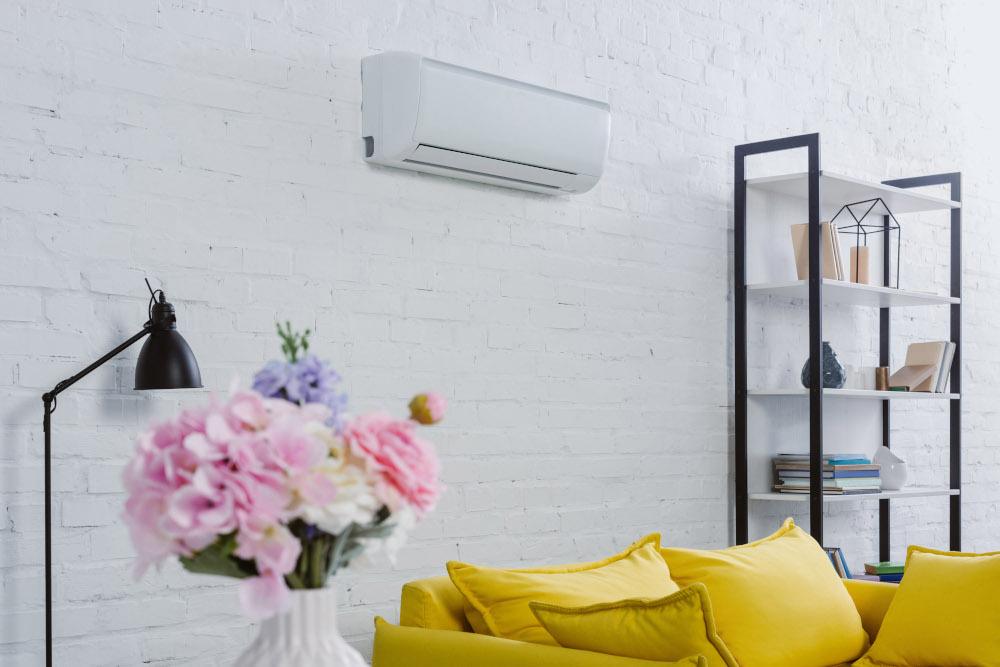
The most effective way to achieve optimal thermal conditions during hot weather is air conditioning installation. The most efficient are split or multisplit systems. The first ones consist of one indoor unit and one outdoor unit. In multisplit systems, up to 5 indoor air conditioners can be connected to one outdoor unit. In addition to efficient cooling, air conditioning also provides you with clean air, appropriate humidity and the possibility of heating in the winter (most devices can operate efficiently at temperatures down to -15 degrees Celsius). You can also use portable air conditioners. These devices are less efficient than traditional air conditioning systems, but are slightly cheaper and do not require professional installation.
In order to obtain optimal temperature conditions and lower energy consumption, it is also worth considering appropriate insulation of walls and roofs. It should be emphasized that proper insulation of the building prevents not only heat loss in winter, but also excessive heating of rooms in summer.
As part of the investment that helps maintain optimal temperature conditions in rooms, it is also worth considering the installation of awnings or external blinds. These solutions limit the access of sunlight to the interior, and as a result, they help the room not to heat up.